


|
|
|---|


Showing posts with label Lancia cars. Show all posts
Showing posts with label Lancia cars. Show all posts
Thursday, February 24, 2011

 | ||||||||||||||||
|
Chassis

Engine

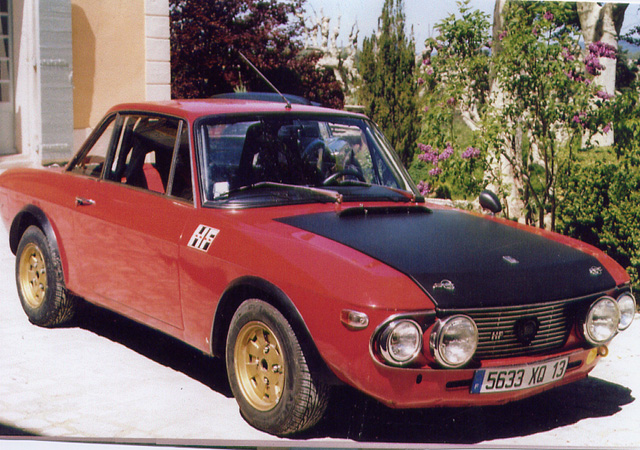
One element that was new was the narrow-angle V4 engine. Designed by Zaccone Mina, it used a narrow angle (12°53'28") and was mounted well forward at a 45° angle. The engine is a DOHC design with a one camshaft operating all intake valves and another operating all exhaust valves. The very narrow angle of the cylinders allowed for use of a single cylinder head.
Displacement began at just 1091 cc with 58 bhp (44 kW) with a 72 mm bore and 67 mm stroke. A higher (9.0:1) compression ratio and the fitment of twin Solex carburettors raised power to 71 bhp (53 kW) soon after.
The engine was bored to 6 mm to enlarge displacement to 1216 cc for the HF model. This, and some tuning, raised output to 80 to 88 bhp (60 to 66 kW).
The engine was re-engineered with a slightly narrower bank angle (12°45'28") and longer (69.7 mm) stroke for 1967. Three displacements were produced: 1199 cc (74 mm bore), 1231 cc (75 mm bore), and 1298 cc (77 mm bore). The new 1298 cc engine was produced in two versions; the type 818.302 produced 87 bhp (65 kW) at 6000 rpm and was fitted to 1st series Coupes, Sports and Berlina GTE and later to the 2nd Series Berlina. The Type 818.303 was first produced with 92 hp (69 kW) and was fitted to the 1st series Coupe Rallye S and Sport S. For the 2nd Series Coupe and Sport power was slightly reduced to 90 hp (67 kW) at 6000 rpm. The 1199 cc engine was only fitted to the Berlina sold in Greece.
The engine was completely reworked for the new 1.6 HF with an even-narrower angle (11°20' now) and longer 75 mm stroke combined with a bore of 82 mm gave it a displacement of 1584 cc, and power ranged from 115 to 132 bhp (85 to 98 kW) depending on tune


 |
| The Lancia Stratos HF, widely and more simply known as Lancia Stratos, is a car made by Italian car manufacturer Lancia. The HF stands for High Fidelity. It was a very successful rally car, winning the World Rally Championship in 1974, 1975, and 1976. A Bertone designed concept car called the Lancia Stratos Zero was shown to the public in 1970, but shares little but the name and mid-engined layout with the Stratos HF version. |

Lancia Stratos Features

Other Concept cars
Stratos Zero

1970 Lancia Stratos Zero concept car
The body was wedge-shaped, finished in distinctive orange and was and unusually short (3.58 m (141 in)) and wide and only 84 cm (33 in) tall, and shared little with the production version. The Zero appeared in Michael Jackson's 1988 film, Moonwalker as well as in his music video for Smooth Criminal.
Lancia Sibilo
In 1978, Bertone created and designed a concept car based on the Stratos called the Sibilo, although it was never intended for production.Fenomenon Stratos

Fenomenon Stratos
New Lancia Stratos
Following the stalled Fernomenon project, one interested backer was convinced to fund a one-off model. Commissioned by Michael Stoschek (a keen rally driver and chairman of Brose Group) and his son, Maximilian. Announced in 2010, the new Stratos based on the overall design and concept of the original seventies Stratos and was designed by Pininfarina. The car made use of a Ferrari F430 Scuderia as a donor car, making use of the chassis (shortened by 200 mm (7.9 in)) and much of the mechanical elements including the 4.3L V8 engine. It was reported that if sufficient interest was shown it would result in a small production run.In popular culture
The Stratos is an available car in the Sega Rally franchise of games, both as a regular vehicle, and as an unlockable bonus car, depending on the version played.Sunday, January 2, 2011
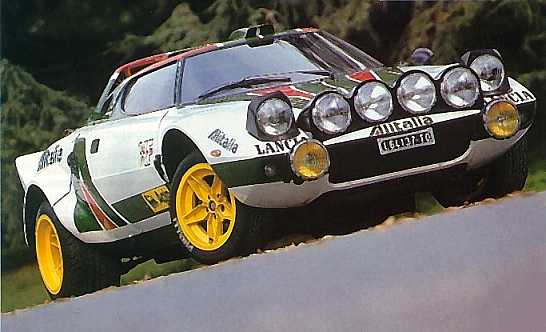
Mention the storied Italian brand Lancia to the typical automotive consumer, and you might get a raised eyebrow or a confused query in return. Only the most hard-core of enthusiasts spare a thought for Lancia, which is a real shame considering the Italian automaker has a long line of stylish performance cars in its history--at least one of which, the Stratos, is worthy of legendary status both for its success as one of the nonpareil rally cars of all time and as a high-performance sports car.
The Lancia Stratos was a wild and wooly sports car in the grand tradition of the 1970s exotics--loud, cramped, and uncomfortable, but so fast and uncontrollable that every spirited drive became an immersive exercise inself-preservation. In the Stratos, the cold sweat of raw fear was the perfect complement to the heat of excitement.
Today's rally cars are hugely sophisticated, relatively refined affairs, with complicated all-wheel-drive systems meant to keep driver and car pointed generally the right direction on the slick snow, ice, gravel, and dirt surfaces they navigate. The Stratos rally car took the opposite tack--instead of all-wheel drive, the Stratos was a rear-wheel-drive brawler that didn't so much tiptoe along uncertain surfaces as it beat them into submission with hairy at-the-limit handling and frantic, cavorting horsepower.
The Stratos', um, spirited nature was reflected in its styling, which wrapped the tiny driving module in an aggressively wedgy design true to the proudly angular style of 1970s supercars like the original Lotus Esprit and Lamborghini Countach.
Today's rally cars are hugely sophisticated, relatively refined affairs, with complicated all-wheel-drive systems meant to keep driver and car pointed generally the right direction on the slick snow, ice, gravel, and dirt surfaces they navigate. The Stratos rally car took the opposite tack--instead of all-wheel drive, the Stratos was a rear-wheel-drive brawler that didn't so much tiptoe along uncertain surfaces as it beat them into submission with hairy at-the-limit handling and frantic, cavorting horsepower.
The Stratos', um, spirited nature was reflected in its styling, which wrapped the tiny driving module in an aggressively wedgy design true to the proudly angular style of 1970s supercars like the original Lotus Esprit and Lamborghini Countach.
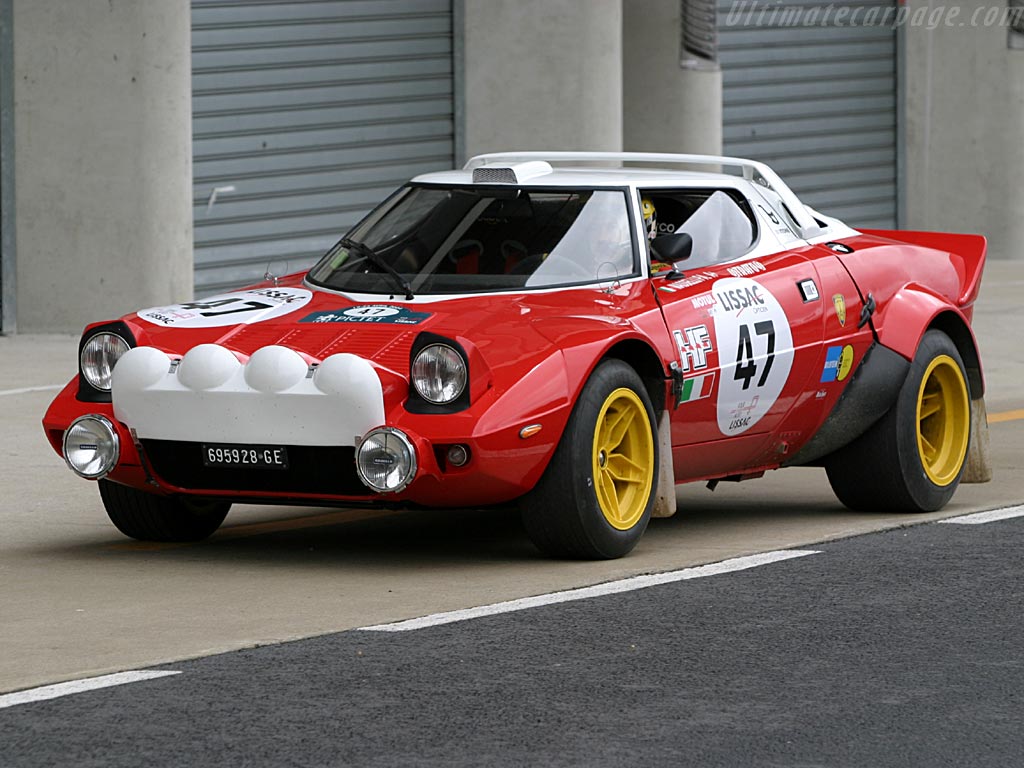 |
| Lancia Stratos Rally Car |
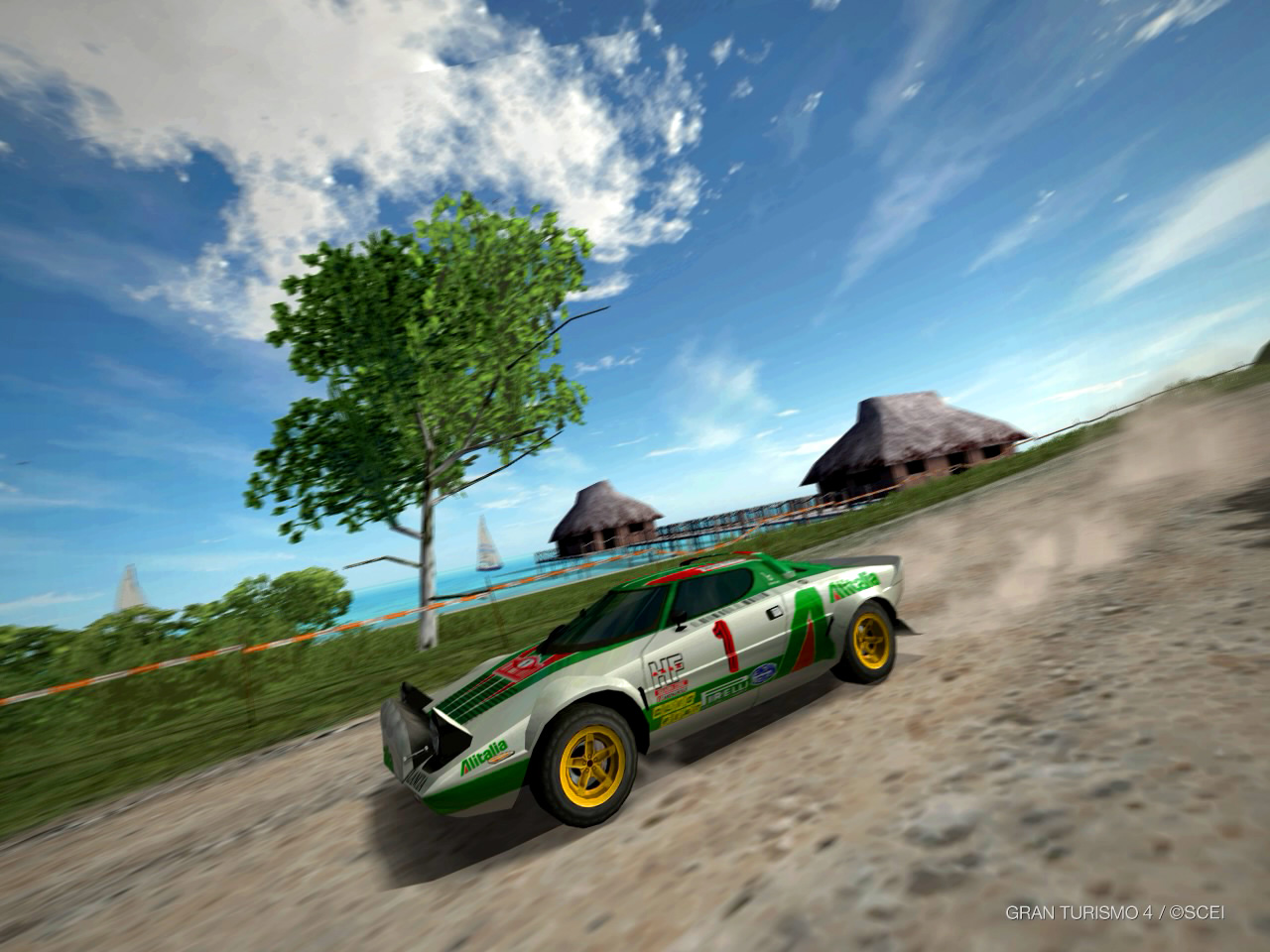 |
| Lancia Stratos Rally Car |
 |
| Lancia Stratos Rally Car |
 |
| Lancia Stratos Rally Car |
 |
| Lancia Stratos Rally Car |
Monday, December 20, 2010
 |
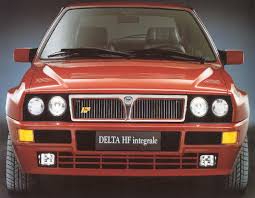
| Lancia Delta Integrale |
 |
| Lancia Delta Integrale |
 |
| Lancia Delta Integrale |
 |
| Lancia Delta Integrale |
 |
| Lancia Delta Integrale |
Thursday, December 16, 2010

Lancia Delta HPE – the car to relaunch Lancia to the world?
Hot on the heels of the relaunch of the Fiat car brand in Australia and rumblings about Alfa’s impending return to the lucrative US market, comes news that Lancia may be planning a return to the UK and right hand drive production. Lancia announced at the Venice International Film Festival a return to the UK in 2008 with the Lancia Delta HPE which they unveiled at the festival.
What this means for Australia is anyone’s guess, but if the UK market works, perhaps we will see Lancia here again in a few years time, perhaps being sold from Alfa dealerships as is currently the case with the Fiat range.
Of course the one thing missing from all this – as Lancia fans will have noticed – is any reference to future sports-based models. The focus at Lancia still seems to be more ‘lifestyle’ than harking back to the days when Lancia dominated the world rally stage.
Here is the release from Lancia on the launch of the Delta HPE concept -
Lancia Delta HPE Concept Car
A sporty yet practical saloon
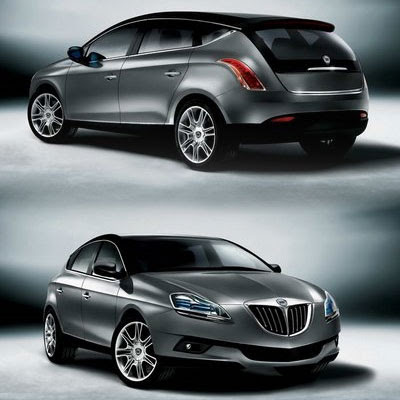
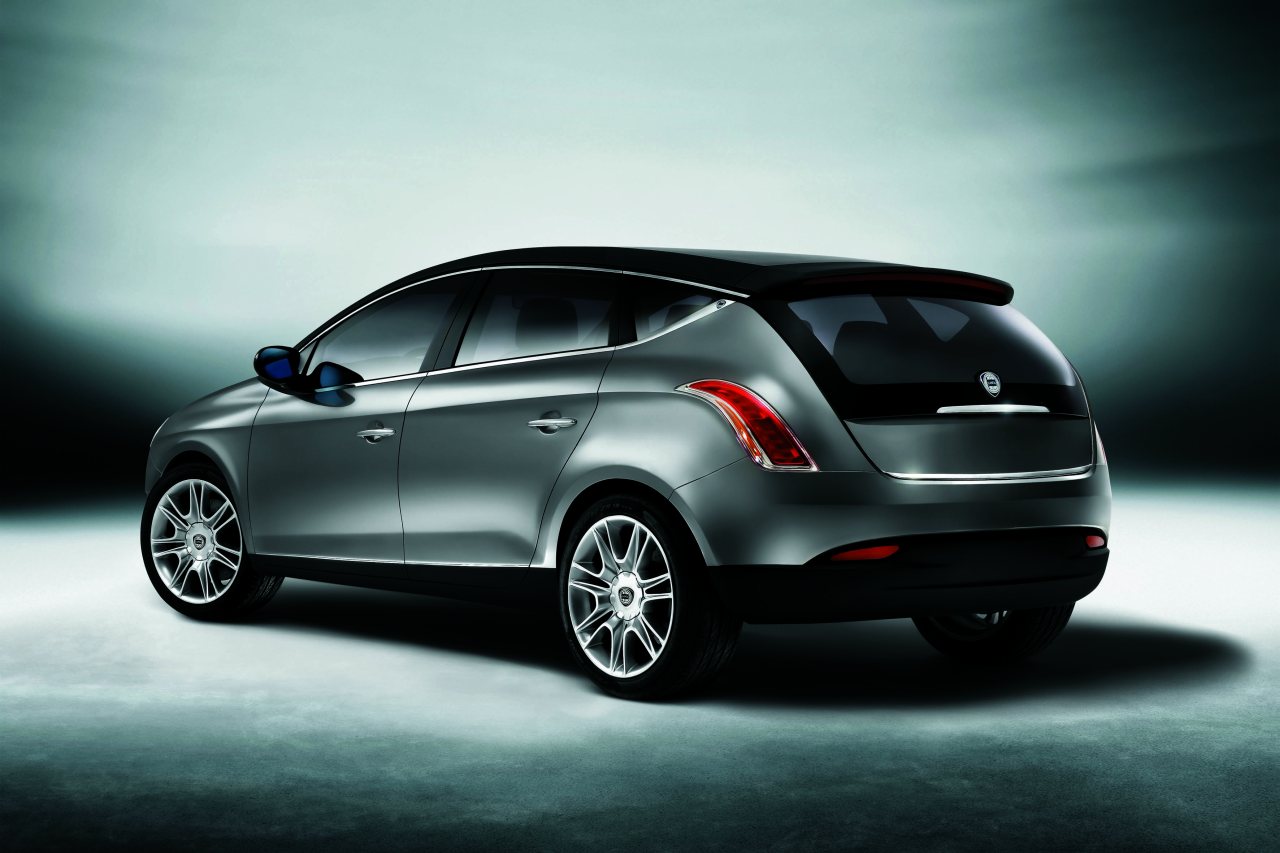
The Lancia Delta HPE Concept Car is having its world premiere at the 63rd edition of the Venice International Film Festival. The car takes its inspiration from the practical, sporty, elegant car concept embodied in the Lancia Beta HPE during the second half of the Seventies to offer an up-to-date take on the idea of a sporty yet practical saloon (shooting brake).This medium-sized vehicle (4.5 metres long, 1.8 metres wide and 1.5 metres tall) ensures great roominess (particular in the back) and travelling comfort, outstanding accessibility and a versatile, modular and capacious boot. All this is coupled with a compellingly slender, sporty shape.
The Concept Car reaps the rewards of a century of experience to continue the tradition of the great medium-sized Lancia cars: the Aprilia, the Appia, the Fulvia, the Lancia Beta HPE, the Prisma, the Dedra and the Lybra – offering innovative features that encapsulate the best of Lancia qualities.
The first quality is styling that reinvents the Lancia tradition with original body features: an overhanging ‘flying bridge‛ roof, a large rear window without a lower frame and a chrome grille that reinterprets the classic Lancia grille of the 1950s for a new generation. A flash of chrome along the side underlines a great expanse of glass and adds an extra sporty touch to the side panels.
 The second quality of the new car's design is plenty of room for driver and passengers: the Delta HPE Concept Car is truly at the peak of its category in this respect, with a wheelbase of 2700 mm that translates into extraordinary roominess at the rear, where passengers can experience a standard of comfort worthy of a limousine. A sliding rear seat with reclining backrest allows the already spacious boot to be increased or it can be pushed back and tilted for total relaxation, like a business class seat on an intercontinental flight.
 Superlative quality of life on board, is the new model's third trump card for top level motoring: the car offers great noiselessness when in motion due to its sound-absorbent roof - plus plenty of light due to a generous sunroof and side windows. And more: all the relaxed pleasure offered by a sophisticated Bose® Hi-Fi with steering wheel controls and the perfect interior temperature assured by an automatic dual zone climate control system. Comfort also means being able to rely on a roomy, versatile luggage compartment of over 400 litres.
The Concept Car also weds Lancia class and prestige with a hi-tech entertainment package, including an MP3 player and, above all, Blue&Me®, an innovative Windows Mobile-based system developed through a joint venture between Fiat Auto and Microsoft. This combines the potential of Bluetooth® technology with a USB port so that customers can play their own favourite songs recorded on their smart mobiles, their MP3 players or their USB flash drives.
The fourth Lancia quality is interior design. Lancia has always been a byword for Italian craftsmanship and the new car’s interiors offer a judicious complement to the original, sophisticated exterior lines of its models. The new Concept car is no exception: the passenger compartment, produced by the Lancia Style Centre, is a veritable lounge, where the facia, door panels and front and rear seats are the highest expression of Italian exclusivity.
And more. The fifth value, strictly linked to the design of the interior, is the use of top-quality materials that are used not only for their looks, but also the touch sensations they offer: including wood trim, chrome detailing, Alcantara and leather upholstery and velour mats.
Finally, the Delta HPE Concept Car is designed to be equipped with a wide selection of petrol and diesel engines, all turbocharged and combined with 6 speed manual and robotised gearboxes with power ratings ranging from 120 bhp to over 200 bhp, plus tried and tested mechanicals optimised for comfort and handling by means of SDC suspension (with electronic damping control) to further enhance driving satisfaction.
Lancia Delta Cars Images
 |
| Lancia Delta Cars |
 |
| Lancia Delta Cars |
 |
| Lancia Delta Cars |
 |
| Lancia Delta Cars |
 | ||||
| See More Wallpapers | Lancia Delta Cars |
Tuesday, December 7, 2010
 |
| Lancia-Delta-HPE-Concept-Cars |
 |
| lancia-working-on-ne |
 |
| 1974_Lancia_Stratos |
 |
| lancia-delta-x. |
 |
| Fumia-Design-Lancia-J-1 |
 |
| Lancia-Haizea-Concept-Car |
Subscribe to:
Posts (Atom)


